
Guidance for Session Leaders
Why Character? Why Virtue?
As educators, mentors, and coaches dedicated to helping women and girls secure employment, our primary focus is often on the practical: creating CVs, refining interview techniques, and building technical literacy. While these tools are essential for opening doors, long-term career fulfilment and social mobility require a much deeper foundation. To truly prepare our clients to thrive in the modern workforce, we must lead with character development.
At The Baytree Centre, our mission is to inspire and support women and girls to gain the skills, confidence, and wisdom they need to thrive in life, work, and family. Through our relational, trauma-informed approach, we understand that true empowerment begins when a client recognizes her own worth. By embedding character development and virtue into our coaching conversations, we help individuals transform practical training into lasting, sustainable career success.
When guiding clients toward employment, focusing on Baytree’s four key character traits gives them the ultimate toolkit to navigate the workplace with confidence and purpose:
Resilience: The path to employment—and the modern workplace itself—is rarely linear. Rejection letters, steep learning curves, and adapting to new work environments require fortitude. By coaching for resilience, we help our clients see setbacks not as failures, but as opportunities for growth. Resilient candidates stand out to employers because they bring adaptability and perseverance to their teams.
Self-Control: Professional reliability is grounded in self-control. It is the habit that enables an individual to manage workplace stress, maintain focus amongst distractions, and manage their time effectively. Helping our clients develop self-control empowers them to take full ownership of their actions, building a reputation for consistency that earns the trust of managers and colleagues alike.
Good Judgement: Technical skills teach a person how to complete a task, but good judgement dictates how to approach everyday decisions with critical thinking and emotional awareness. By nurturing wisdom and good judgement in our sessions, we prepare our clients to solve problems independently, evaluate risks, and make sound choices that benefit both their employers and their wider communities.
Fairness: A workplace thrives on collaboration, social inclusion, and mutual respect. When we instil a deep sense of fairness and integrity, we encourage our clients to value diverse perspectives and build constructive professional networks. Bringing fairness to the workplace helps ensure that as they rise, they create positive environments where others can thrive alongside them.
As mentors, coaches and educators, we are not just helping clients find a job; we are helping them build a bright, secure future for themselves, their families, and their communities. By intentionally weaving virtue and good habits into our employment support, we ensure that the women and girls we serve enter the workforce not only equipped with practical skills, but with the strength and wisdom needed to sustain their success and realize their full potential.


How to use this website to support your session.
As a facilitator you can use each of the sessions in different ways.
You may run a course focusing on a specific skill e.g. Communication. Each of the skills has 6 sessions which can be used to run a short course.
You can also pick individual sessions to run one-off classes or workshops.
Each session is divided into:
How will this session get me ready for work? This is an introduction looking at how this skill relates to the workplace and also has an opening question as an ice-breaker and to start discussions.
Focused Virtues: This considers a virtue that is relevant to the session skill and helps participants think about how character impacts how we think and act. This has a reflection/discussion question related to the virtue.
Skills Development: This is a short article related to the session skill. Depending on the attendees you might read this together, read out loud or read it yourself beforehand and give a summary of the content you think is relevant.
Case Study and Interview Questions: This could be discussed in groups or role played in pairs or used in any relevant way.
There are additional resources for facilitators to watch and read and use how and where relevant. The bottom section contains links to worksheets, websites etc, which may help with a session.
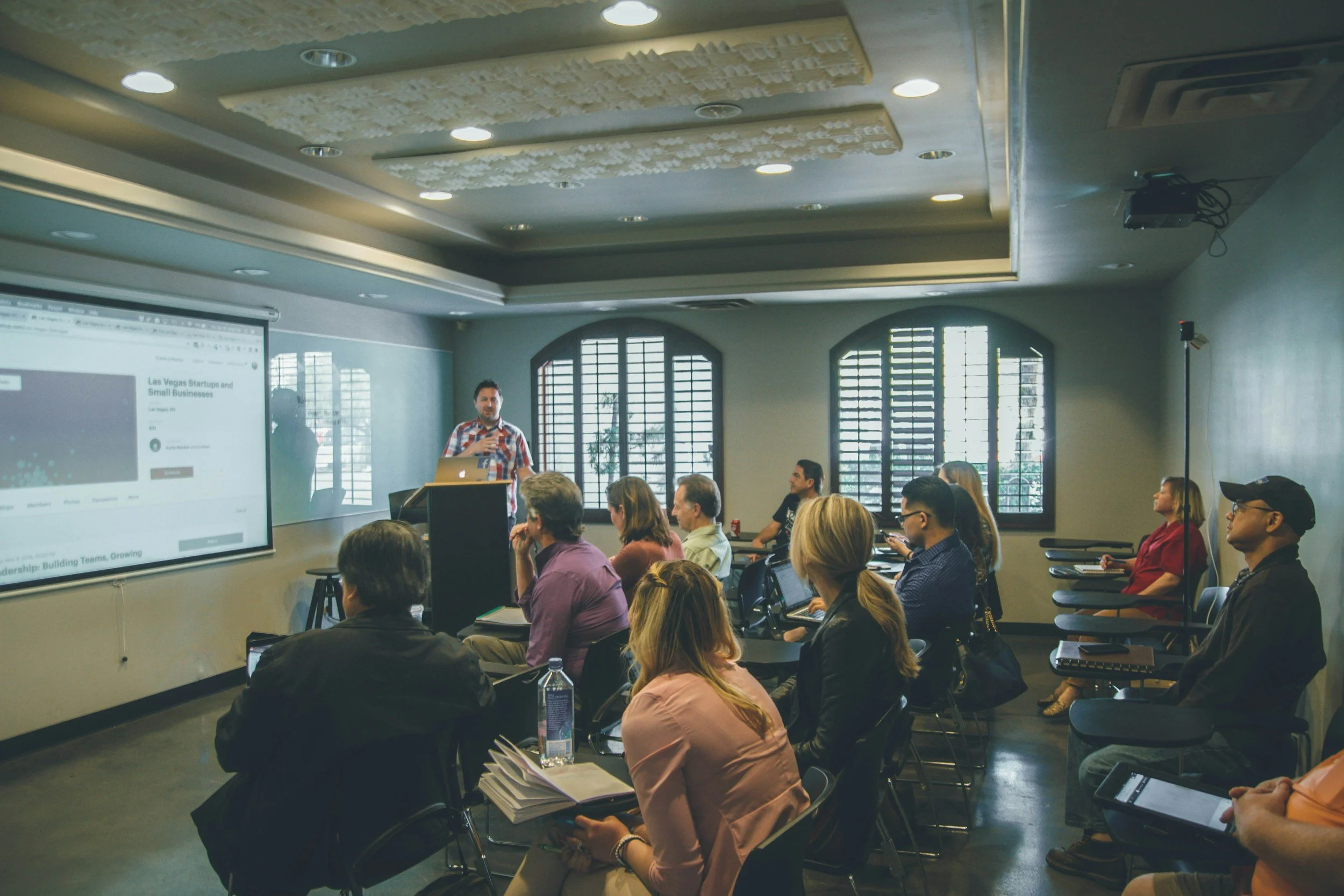
What makes a great session?
Discussion
Practical Activities: Especially role plays and creating practical tools e.g. CVs’, letters
Opportunities for self reflection
Resources for session leaders.