
Recognising and Managing Conflict

How Will This Session Help Me Get Ready For Work?
Conflict is a part of any workplace as different people will always have their own ideas about what should be done and how people should act. Some people will avoid conflict at any cost while some people argue passionately about the smallest of things. There are ways to decide if something is worthy of conflict and strategies to manage that conflict in calm and positive ways.
Questions to get started
Can you think of a time when you had a disagreement with something? What started it and how did it end?
What would you do if someone spoke to you aggressively at work or at a community event?
Focused Virtues
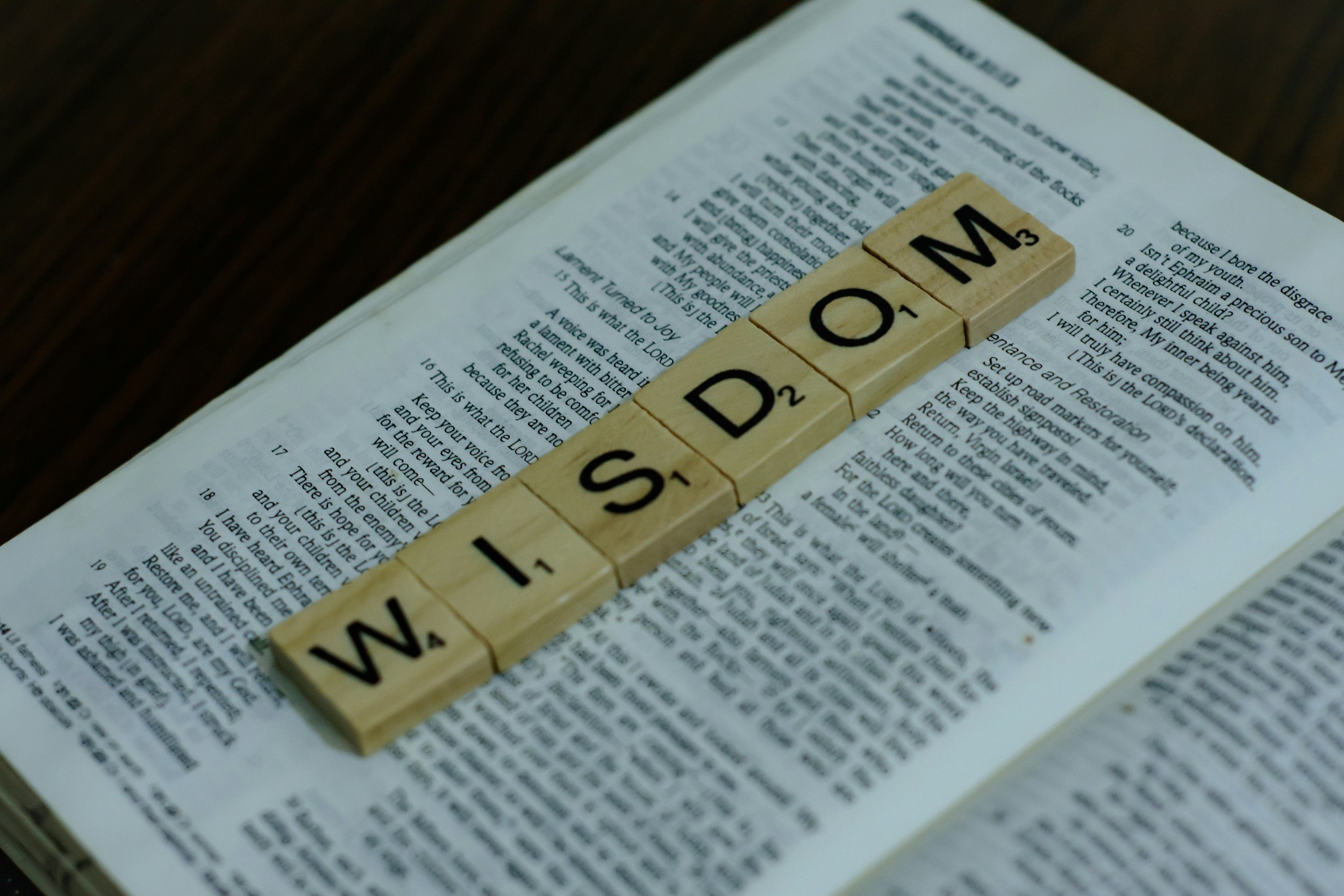
The Focused Virtue for this session is Wisdom.
Wisdom helps us to decide when something is worthy of conflict - when to give in and when to fight our corner so that we are strong when we need to be but also flexible when required.
Ask Yourself: "Can I grow in wisdom to choose the right battles and be assertive without being aggressive?"
Strength Through Awareness, Influence Through Empathy.
Skills Development:
When you are hunting for your first job or starting out in the workplace, you will quickly realise that people don’t always see eye to eye. Disagreements are a normal part of working in a team, and healthy debates can actually lead to better decisions. However, when arguments become personal, circle without progress, or damage trust, they turn into unhelpful conflicts. Managing these moments requires true wisdom—having the mature understanding to see the bigger picture and choose the wisest way to respond when tensions rise.
The first tool is diplomacy. Being diplomatic means expressing your opinion and handling disagreements thoughtfully without offending others. Wisdom helps you choose your words carefully, stay calm, and listen to understand a colleague's perspective before you react. Instead of accusing someone by saying, "You did this wrong," you can try using neutral language like, "Maybe we could try a different approach." Also, pay attention to your body language; keeping an open posture and avoiding crossed arms stops you from looking defensive. However, being wise also means knowing when to speak firmly; if something is genuinely unfair or wrong, you must have the courage to stand up for what is right rather than just trying to keep the peace.
When unhelpful conflicts do pop up, the best way to protect your team’s goals and relationships is to resolve them collaboratively. Stay respectful, focus entirely on solving the problem rather than pointing fingers, and actively look for common ground. If a discussion gets too heated, suggest taking a five-minute break so everyone can cool down and have a cup of tea/coffee or a glass of water. When you return, map out the issue on a notebook or whiteboard so you are looking at the problem together rather than attacking each other. Be prepared to compromise, and always finish by writing down a clear, agreed-upon way forward.
Finally, when the answer to a workplace problem isn’t pre-decided, you will need to negotiate. Much like a game of chess, wise negotiation requires planning ahead and anticipating what the other person wants. Before you start talking, sit down and list your ultimate goal, what you are willing to give up, and your "red lines"—the things you absolutely cannot agree to.
By staying calm, thinking before you speak, and understanding everyone's goals, you will develop the workplace wisdom needed to turn tricky conflicts into positive solutions.
Interview Practise: Case Studies and Questions
You and a colleague are given the job of organizing the stockroom. You want to sort items by type so they are easy to find, but your colleague insists on sorting them by delivery date. They snap, "Your way takes too long and makes no sense." How can you use wisdom and diplomacy to resolve this?
Do I know how to decide between what is worth a potential argument and what isn’t?
Do I have ideas about how I can be diplomatic in situations where I need to disagree with someone?

Guidance and Resources for Facilitators
1. Content & Background Knowledge
Gender & Cultural Dynamics: Many women, particularly from traditional or migrant backgrounds, are socialized to avoid conflict at all costs to "keep the peace." In the UK workplace, this can lead to being taken advantage of or having ideas ignored.
Assertiveness vs. Aggression vs. Passivity: Learners need clear distinctions:
Passive: Staying silent when treated unfairly.
Aggressive: Blaming, snapping, or personal attacks.
Assertive/Diplomatic: Expressing needs calmly, standing up for fairness, and seeking solutions without causing offense.
De-escalation Language for EAL Learners: Accusatory language ("You made a mistake") instantly triggers defensiveness. EAL learners benefit from memorizing "softening" phrases and neutral vocabulary ("Can we look at this together?" or "I see it a bit differently") that preserve workplace relationships.
2. Key Misconceptions to Address
"If I disagree with a colleague, it means I am being rude." Reframe: Polite, respectful disagreement (diplomacy) is professional and helps the team make better choices.
"The person who shouts loudest wins the argument." Reframe: Calm, firm, evidence-based communication is far more powerful in a modern workplace.
3. Step-by-Step Workshop Activities
Activity 1: Replacing Accusations with Neutral Language (20 Mins)
Setup: Write accusatory statements on cards.
Task: In pairs, learners rewrite them using neutral, collaborative English:
Blaming: "You put the delivery in the wrong place and ruined my work!"
Diplomatic: "I noticed the delivery was placed here. Let's look at the shelf labels together so we can find a routine that works for both of us."
Other examples - “You didn’t tidy up at the end of the shift and I had to do it”, “You put too much coffee in the cappuccinos and I had to deal with the leftover liquid”
EAL Focus: Practice using "I" or "We" instead of "You".
Activity 2: The "Cool-Off & Map It Out" Roleplay (20 Mins)
Scenario: Two colleagues disagree on how to organize a shared work area - one is very tidy and minimalist and the other likes lots of things around them and is a bit messy and creative.
Task: Roleplay using a 3-step de-escalation technique:
Pause: "Let's take 5 minutes and grab a glass of water."
Map: Sit down together with a piece of paper and write down the problem.
Compromise: Find one thing both sides can agree on.
4. Reflection & Discussion Points
"What is the difference between keeping the peace and standing up for what is fair?"
"Why is it better to write down a problem on paper rather than arguing face-to-face when tempers are high?"'