
Managing Stress

How Will This Session Help Me??
School exams, busy project deadlines, sports matches, and starting a new job all bring moments of pressure. Feeling stressed or overwhelmed from time to time is completely natural, but letting worry build up makes life feel exhausting. Managing stress isn't about pretending everything is perfect; it’s about building the strength to handle life’s ups and downs in a healthy way!
Questions to get started
"Think about a time when you felt under lots of pressure with schoolwork, exams, or home life. What was the first physical sign that told you stress was building up?"
"When you've had a tough or tiring day, what is one thing you do to unwind, rest, and reset your brain?"
Focused Virtues
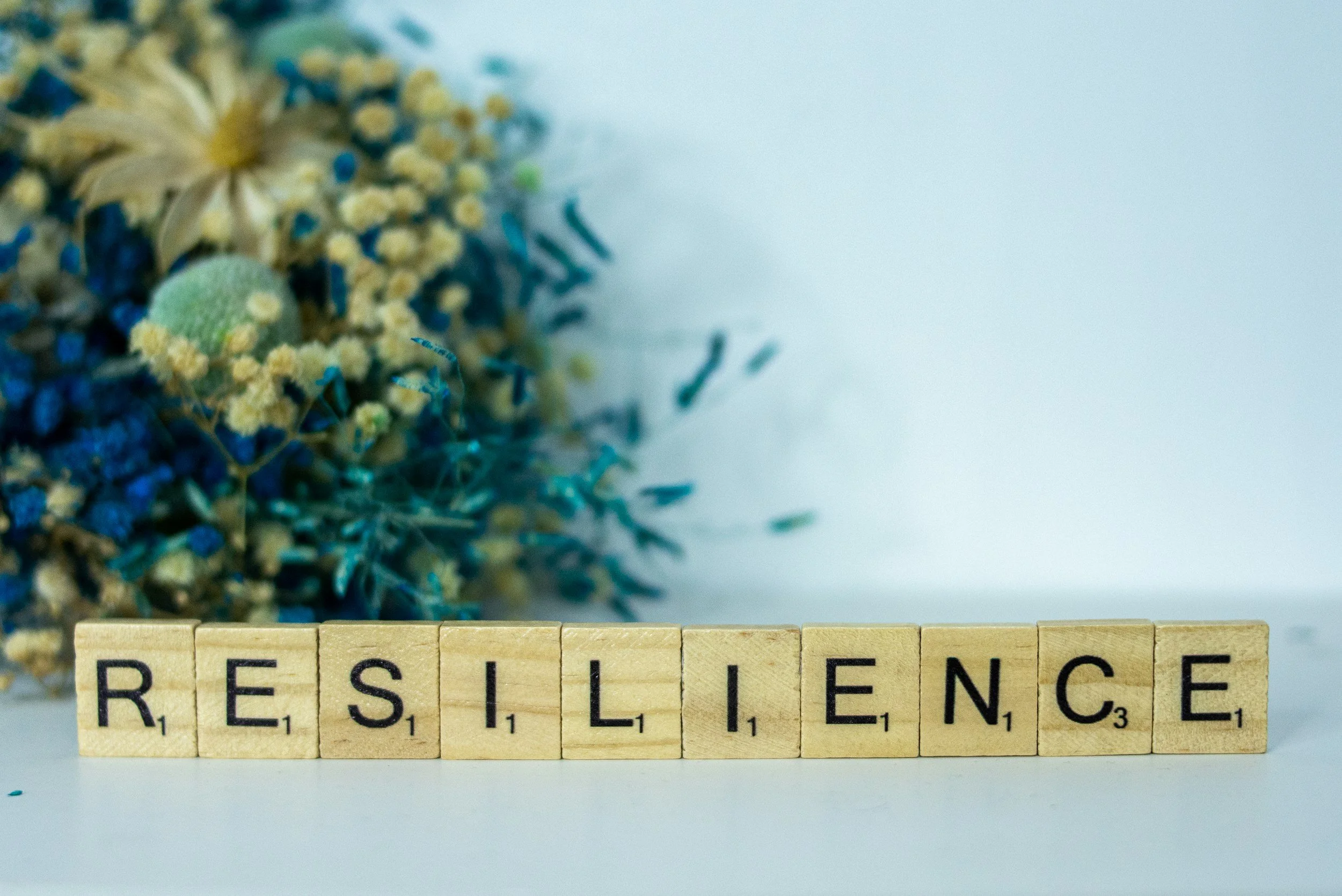
The Focused Virtue for this session is Resilience.
Resilience gives us the inner strength to handle pressure, look after our mental and physical health, and bounce back from tough moments.
Ask Yourself: "Can I grow in resilience to manage my stress, protect my wellbeing, and ask for support when things get tough?"
Stay calm under pressure, bounce back with strength.
Skills Development:
Managing stress and pressure takes genuine resilience. Resilience helps us notice when we are feeling overwhelmed and helps us build practical tools to handle the situation.
First, manage your emotional reactions. When things go wrong or deadlines pile up, it is natural to feel stressed, annoyed, or frustrated. Resilience means noticing these strong feelings early, taking a deep breath, and pausing before reacting. Learning to pause stops small worries from turning into huge dramas.
Second, look after your overall wellbeing. Staying resilient requires taking care of your mind and body. Simple daily habits—like getting enough sleep, taking proper screen-free breaks, eating well, and moving your body—keep your mind clear and build up your energy to deal with challenges.
Finally, share your problems with others. You don't have to handle every challenge alone. When schoolwork or a task at work feels too big, resilience means having the courage to speak up and ask for help. Explaining what is going wrong to a teacher, parent, manager, or friend helps you find a solution together.
Case Studies and Questions
"Can you tell me about a time when you felt under a lot of pressure at school or in a club or team? How did you stay calm and manage it?"
"When you realise a project or piece of homework is getting too difficult to finish on time, what steps do you take?"
Case Study:
Aisha is doing work experience at a busy store during a sale week. Deliveries are piling up in the backroom, and her supervisor asks her to finish three huge tasks before the end of the day. Aisha starts to panic: her heart is racing, her head feels fuzzy, and she feels like crying or walking out because it feels impossible. What steps should Aisha take?

Guidance and Resources for Facilitators
Teenagers can experience high levels of stress linked to academic performance, social dynamics, identity, and physical development. When overwhelmed, teens often default to emotional outbursts, withdrawal, or total avoidance. As a facilitator, your role is to guide them using resilience—helping them identify early physical warning signs of stress, establish basic self-care routines, and reframe asking for help as a practical strength rather than a weakness.
Core Concepts & Background Information
To support your group effectively, draw upon these core concepts from the underlying skills framework:
1. Managing Emotional Reactions:
- Recognising Body Signals: Stress triggers real physical symptoms (racing pulse, shallow breathing, sweaty palms, tight chest, brain fog). Teaching students to spot these signals early allows them to intervene before hitting a panic threshold.
- The Power of the Pause: Resilience relies on creating a gap between a stressful trigger and your response. Simple techniques like a 5-second pause or deep breathing reset the nervous system.
2. Managing Wellbeing (Proactive Habits):
- Daily Basics: Wellbeing is built through regular daily habits, not emergency fixes. Emphasise sleep hygiene, hydration, physical movement, and taking proper breaks from social media/screens.
- Sustaining Mental Energy: Taking care of body and mind ensures students have the resilience reserves required to navigate unexpected setbacks or heavy workloads.
3. Sharing Problems Early:
- Preventing Burnout: Attempting to hide or solve overwhelming problems entirely alone usually leads to errors and increased anxiety.
- Effective Problem Sharing: Teach students how to state the problem clearly to an adult or friend: "I have three deadlines on Friday; can you help me prioritize them?"
Overcoming Common Barriers
1. The "Asking for Help Means I'm Weak" Barrier:
- Reframing: Teens often believe that admitting struggle makes them look incompetent or stupid in front of peers/teachers. Reframe asking for help as a smart, mature problem-solving tool used by top professionals to avoid costly mistakes.
- Prompting Reflection: "If a classmate came to you feeling drowning in homework, would you think they were weak for asking for advice? Why not?"
2. Overwhelm & Freezing Up:
- Reframing: When tasks pile up, brains can freeze. Teach the "chunking" technique—breaking a giant mountain of work into tiny 5-minute action steps.
- Prompting Reflection: "What is the absolute smallest thing you could do in the next 2 minutes to start tackling that project?"
3. Classroom Activity: The Stress Reset & Priority Script:
- Pair up students. Give them a scenario (e.g., "You have an exam tomorrow, a project due, and your phone charger just broke"). First, guide them through a 10-second box-breathing exercise to reset their immediate reaction. Next, have them practice asking their partner (playing a teacher or parent) for help using a simple priority script: "I'm feeling overwhelmed by these tasks. Can we look at what I should do first?"
Delivery Tips for the Session
- Keep Tone Grounded: Normalise stress as a regular part of life that everyone experiences, including adults.
- Focus on Controllable’s: Use a two-circle diagram (Things I can control vs. Things I can't control) to help students direct their energy where it actually makes a difference.
- Provide Functional Scripts: Give clear sentence starters for asking teachers or supervisors for help.