
Peer Pressure and Influence

How Will This Session Help Me??
Whether in school, in sports teams, or in a future job, the people around us constantly shape how we think, act, and make decisions. Pressure from others isn't always bad—positive peer pressure can motivate you to try new things, work harder, or make brave choices! However, negative pressure can push you in the wrong direction. By using wisdom to recognize why people are speaking to you, compare different points of view, and use flexible thinking, you will build the influence needed to make the right choices and inspire others positively!
Questions to get started
"Think about a time when a friend or teammate persuaded you to try something new or push yourself—how did that positive influence help you?"
"When someone in a group is trying hard to convince you to do something, how do you figure out if they genuinely want to help or if they just want their own way?"
Focused Virtues
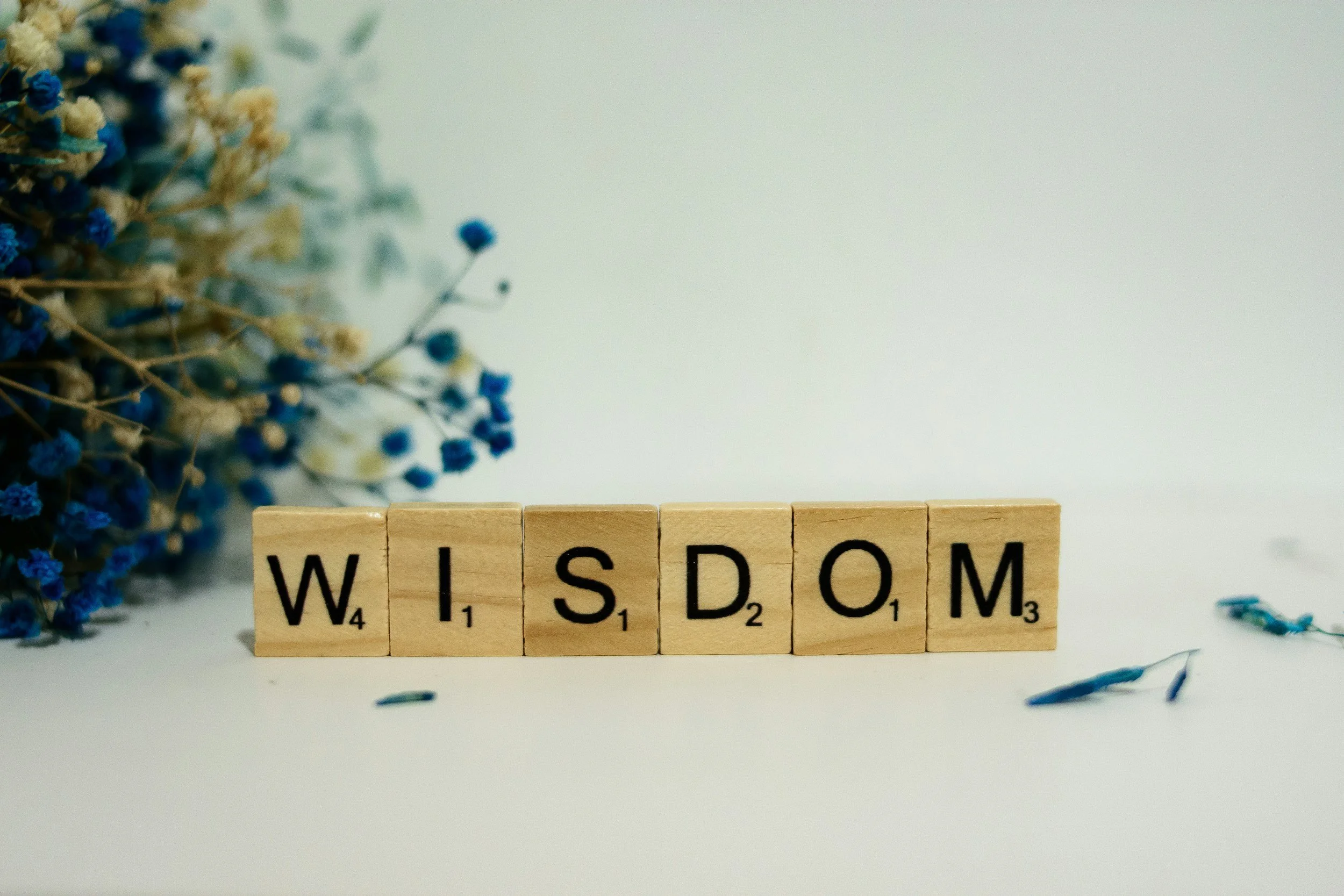
The Focused Virtue for this session is Wisdom.
Wisdom gives us the insight to understand why others are trying to persuade us, evaluate different views objectively, and guide our peers in a positive direction.
Ask Yourself: "Can I grow in wisdom to recognize how others steer my choices, think flexibly, and lead my peers in a positive direction?"
Understand the message, think with clarity, guide with wisdom.
Skills Development:
Understanding peer pressure and navigating influence effectively takes self-awareness, critical listening, and genuine wisdom. It isn't about controlling people, being the odd one out or following the crowd; it's about making thoughtful choices and helping others do the same.
First, recognize the speaker's purpose. Whenever someone talks to you—whether a classmate, older student, manager or advertiser—they have an underlying goal. Wisdom starts with active listening to spot whether someone is trying to inform, persuade, entertain, or pressure you. Spotting their true purpose helps you stay in control of your own decisions.
Second, compare different views. When facing group decisions or peer pressure, don't just follow the loudest voice. Take time to compare different opinions, weigh the pros and cons, and look at the evidence objectively. Comparing viewpoints with wisdom allows you to spot fair, sensible advice while ignoring unfair pressure.
Finally, use flexible thinking. Flexible thinking means keeping an open mind and being willing to change your perspective when presented with better facts. Wisdom also helps you adapt how you speak to others so you can exert positive peer pressure—encouraging your friends to study together, practice skills, or stand up for what is right in a constructive way!
Case Studies and Questions
"Can you give an example of a time when listening to someone else's perspective changed your mind for the better?"
"How can you tell the difference between negative peer pressure that makes you feel uncomfortable and positive peer pressure that encourages you to grow?"
Case Study:
Alex is working on a school project with a group of friends. Two of the group members want to rush through the work, cut corners on the research, and spend the rest of the lesson chatting. They start pressuring Alex, saying, "Don't be boring, everyone else is messing about too." However, another quiet classmate wants to finish the project properly to get a good mark. How can Alex use wisdom to guide the team toward a positive outcome without being superior?

Guidance and Resources for Facilitators
At 13–14 years old, peer influence is one of the most powerful forces shaping adolescent behavior. Teenagers often assume that "peer pressure" is strictly negative, missing out on how peer groups can positively motivate performance, healthy habits, and moral choices. Additionally, early teens frequently struggle to evaluate persuasive intent, defaulting to conformity to maintain social status. As a facilitator, your role is to guide them using the virtue of wisdom—helping them decode the purpose behind communication, compare competing perspectives critically, and apply flexible thinking to positively guide their peers.
Core Concepts & Background Information
To support your group effectively, draw upon these core concepts from the underlying skills framework steps:
1. Recognising Purpose
- Identifying Intent: Teaching students to listen beyond the surface words to identify why someone is communicating (e.g., to persuade, inform, distract, or coerce).
- Detecting Persuasion Tactics: Wisdom helps students spot common pressure strategies (e.g., emotional appeals, fear of missing out, mock embarrassment) so they can maintain critical distance.
2. Comparing Views
- Evaluating Arguments: Analysing two or more contrasting opinions side by side, looking at the evidence, logic, and outcomes of each choice rather than just who holds the opinion.
- Filtering Influence: Discerning with wisdom between constructive peer guidance (positive influence) and harmful conformity (negative pressure).
3. Flexible Thinking
- Adaptability of Mind: Recognizing that holding a firm opinion does not mean being rigid; flexible thinkers update their views when presented with strong, evidence-based perspectives.
- Positive Peer Influence: Using creative, adaptable communication strategies to persuade peers constructively (e.g., reframing a hard task as a fun team challenge or encouraging a friend to try out for a school role).
Overcoming Common Barriers
1. The "All Peer Pressure Is Bad" Assumption:
- Reframing: Students often view peer pressure exclusively as a risk. Reframe peer influence through the lens of wisdom—highlight how positive peer pressure (e.g., study groups pushing for high grades, sports teammates encouraging extra practice) drives growth and success.
- Prompting Reflection: "Think of a time a friend pushed you to try something scary that ended up being amazing—how did their positive influence help you?"
2. The Fear of Standing Alone:
- Reframing: Teens frequently conform because they lack strategies to counter the attitude of the group. Teach flexible thinking and wisdom as a way to offer alternative, creative solutions that satisfy group dynamics without compromising ethics or quality.
- Prompting Reflection: "How can you offer a 'Plan B' to your group that keeps things fun without breaking school rules?"
3. Classroom Activity: The Persuasion Decoder & Positive Pivot:
- Pair up or group students. Provide three scenario cards representing different peer influence moments (e.g., Card 1: A peer urging someone to make fun of a classmate; Card 2: A friend persuading someone to join revision club; Card 3: A colleague pressuring a member to break a workplace rule e.g. having unofficial breaks). Think through the following steps:
1. Decode Purpose: Is the speaker trying to inform, help, entertain, or pressure?
2. Compare Views: What are the short-term and long-term pros/cons of following this advice?
3. Positive Pivot: How can flexible thinking turn this pressure into a positive group focus?
Delivery Tips for the Session
- Normalise Social Awareness: Emphasise that noticing social pressure is a sign of wisdom, high intelligence, and emotional awareness, not weakness.
- Model Flexible Thinking: Demonstrate changing your own mind in response to a well-argued point from a student during class discussions.