
SMART Goals
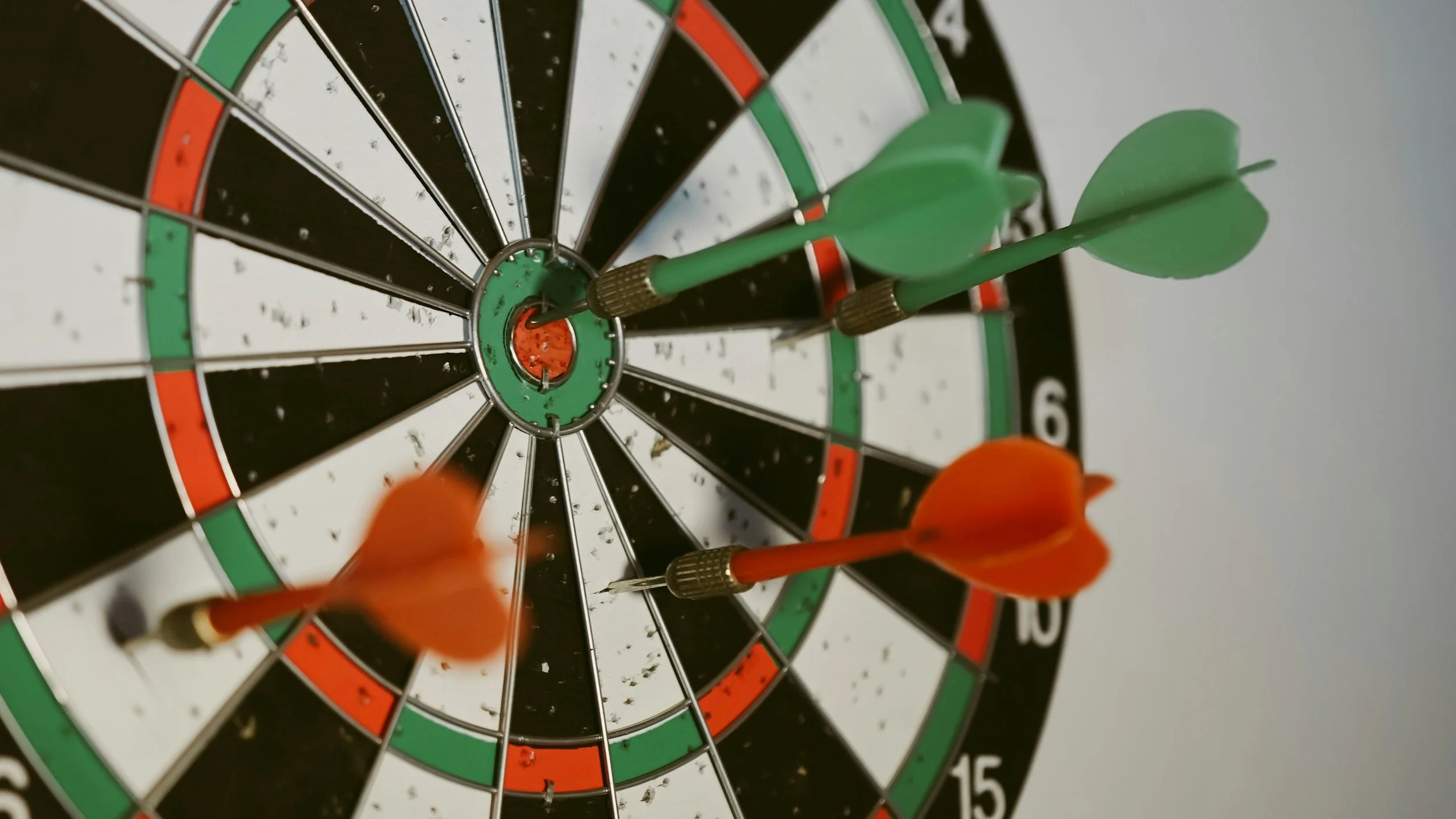
How Will This Session Help Me??
Most jobs and goals require us to work towards targets and complete tasks on time. That might mean learning a new skill, finishing a project to a high standard, or working towards a qualification. Using SMART goals gives you a clear, manageable plan—making your targets realistic, keeping you motivated, and taking away the stress of not knowing where to start!
Questions to get started
Think about something you learned to do outside of school—like cooking, a hobby, a new language or technology. What was one small goal you set yourself when you first started out?
Can you share a time when you had a plan for your day or week, but something unexpected got in the way? How did you adapt to get things done?
What is a skill or ability you have today that you used to struggle with in the past? What helped you bridge that gap?
Focused Virtues
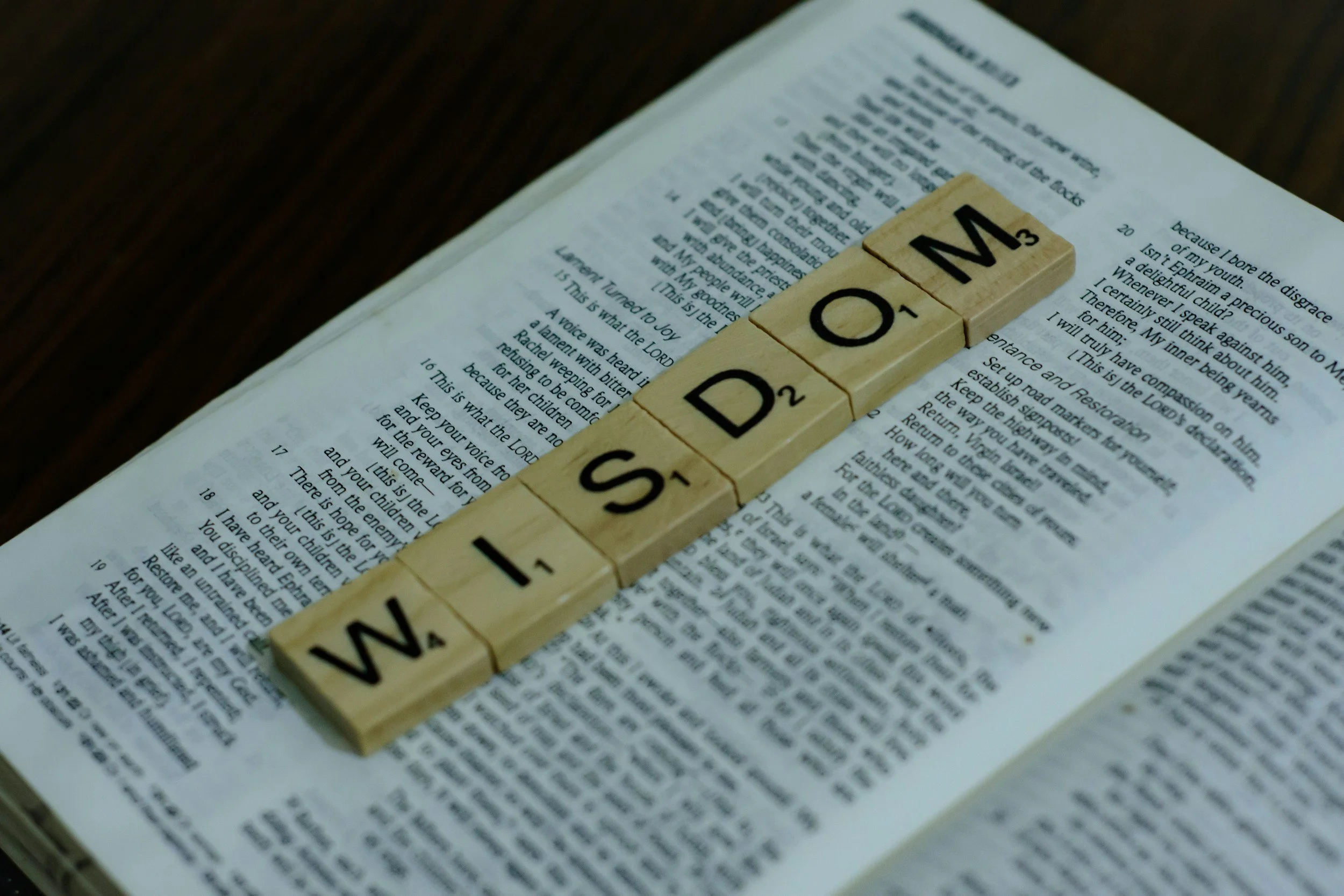
The Focused Virtue for this session is Wisdom.
Wisdom helps to set clear goals, plan flexible routes to reach them, and build the right skills so our progress is steady and meaningful.
Ask Yourself: "Can I grow in wisdom to set smart goals and achieve my full potential?"
Plan with focus, act with purpose.
Skills Development:
Achieving what you want in life takes real wisdom and wise planning means setting clear goals, choosing the right path, and building the skills you need to succeed.
Start by setting SMART goals—goals that are Specific, Measurable, Achievable, Relevant, and Time-bound. Aim for your "stretch zone," which means picking challenges that push you beyond your comfort zone without feeling impossible.
Wisdom also means realising there is almost always more than one way to reach a goal. Explore different possibilities so you have options if your first plan hits an obstacle. Break your journey down using targets and milestones. Reaching these small checkpoints keeps you motivated and proves you are making steady progress.
Finally, look honestly at your skills. Think about what you are already good at, but also identify your skill gaps. Building essential skills—like communication, problem-solving, and managing your time—takes patience and practice.
By setting clear goals, mapping out flexible routes, and building your skills step by step, you will develop the workplace wisdom needed to turn your ambitions into real progress.
Case Studies and Questions
"Can you give an example of a time when you set yourself a target at school or in your personal life? How did you make sure you stayed on track to achieve it?"
"Tell me about a time when a project or piece of homework wasn't going to plan. How did you adapt your goals or methods to make sure you still got a good outcome?"
Case Study
Salma has just started helping at a busy youth centre. Her manager asks her to "get better at handling the older kids (9-11 year olds)" because she had got quite annoyed with them and shouted at a small group who wouldn’t listen to her instructions. Right now, Salma feels overwhelmed because the task feels too big, and she doesn't know where to start. How could Salma use the SMART framework to turn her manager's request into clear, realistic targets for the week?

Guidance and Resources for Facilitators
Core Concepts & Background Information
Defining SMART Goals in the "Stretch Zone" Goals provide clear direction and motivation.
The SMART Framework: Goals should be Specific, Measurable, Achievable, Relevant, and Time-bound.
The Stretch Zone: The stretch zone sits between comfortable routine and overwhelming panic. Setting goals here challenges girls to grow without causing freeze or fear.
Mapping Multiple Routes to Success Wise planning requires evaluating different ways to reach a target.
Built-in Flexibility: Having a backup route keeps momentum going if the first plan hits an obstacle.
Anticipating Barriers: Thinking ahead about potential problems prevents frustration and stops girls from giving up entirely.
Categorising and Building Skills Skills define what a person can routinely do. Help girls categorize them:
Basic Skills: Reading, writing, basic maths, and everyday digital skills.
Essential Skills: Universal, transferable abilities like clear communication, teamwork, time management, and problem-solving.
Technical Skills: Specialized abilities for specific activities (e.g., coding, playing an instrument, using science equipment or sports coaching).
Chunking Goals into Targets and Milestones Broad ambitions feel intimidating without structure.
Targets: Specific, small daily or weekly actions.
Milestones: Major progress checkpoints that allow time to celebrate success and review plans.
Guiding Reflection & Overcoming Barriers
Overcoming the Fear of Setting Big Goals
Reframing Strategy: Frame goals as flexible guides rather than scary tests. Experiencing a delay or needing to adapt a plan is normal learning data, not a failure.
Prompting Reflection:
"Think of a skill you learned over time (like cycling, drawing, or gaming). What was one tiny step you took when you first started?"
"If your main plan hits a roadblock, what is another route you could take to reach the same destination?"
Uncovering Hidden Skills in Daily Life
Reframing Strategy: Girls often assume they "have no skills" because they lack formal work experience. Reframe everyday responsibilities—like managing a weekly study schedule or coordinating family activities—into essential planning skills.
Prompting Reflection:
"What is an activity in your week that you manage well? What steps do you take to make sure it gets done?"
"When was a time you helped organize a group project or event? What skills did you bring?"
Managing Overwhelm with Visual Roadmaps
Reframing Strategy: Break long-term ambitions into immediate, bite-sized actions.
Activity Idea (Goal Roadmap): Have learners draw a simple path with three signposts (Milestones) and write down one tiny action (Target) they can complete in the next 24 hours.
Delivery Tips for the Session
Keep Vocabulary Concrete: Describe a Milestone simply as "a signpost that shows how far you've come."
Normalize Skill Gaps: Emphasize that identifying something you aren't good at yet is the exciting first step toward growth.
Use Physical Trackers: Provide visual progress charts or sticker maps so girls can physically track their achievements.