
What Does Success Look Like

How Will This Session Help Me??
Starting a new subject, looking for your first job or work experience, or stepping into a new challenge can feel hard, especially if you feel nervous or make a mistake. By getting to know your own strengths, learning from your mistakes, and building your confidence step by step, you will gain the skills you need to handle any life or workplace challenge!
Questions to get started
Thinking about your daily life—like helping family, managing school projects, or organising an event—what is one skill you use regularly that you feel really confident in?
Can you talk about a time when something didn't go to plan—at home, school, or in a team activity—and you had to figure out a new way to handle it?
When you think about taking your next big step towards a future job or career, what is one thing you feel excited to show others you can do and one thing you hope to learn more about?
Focused Virtues
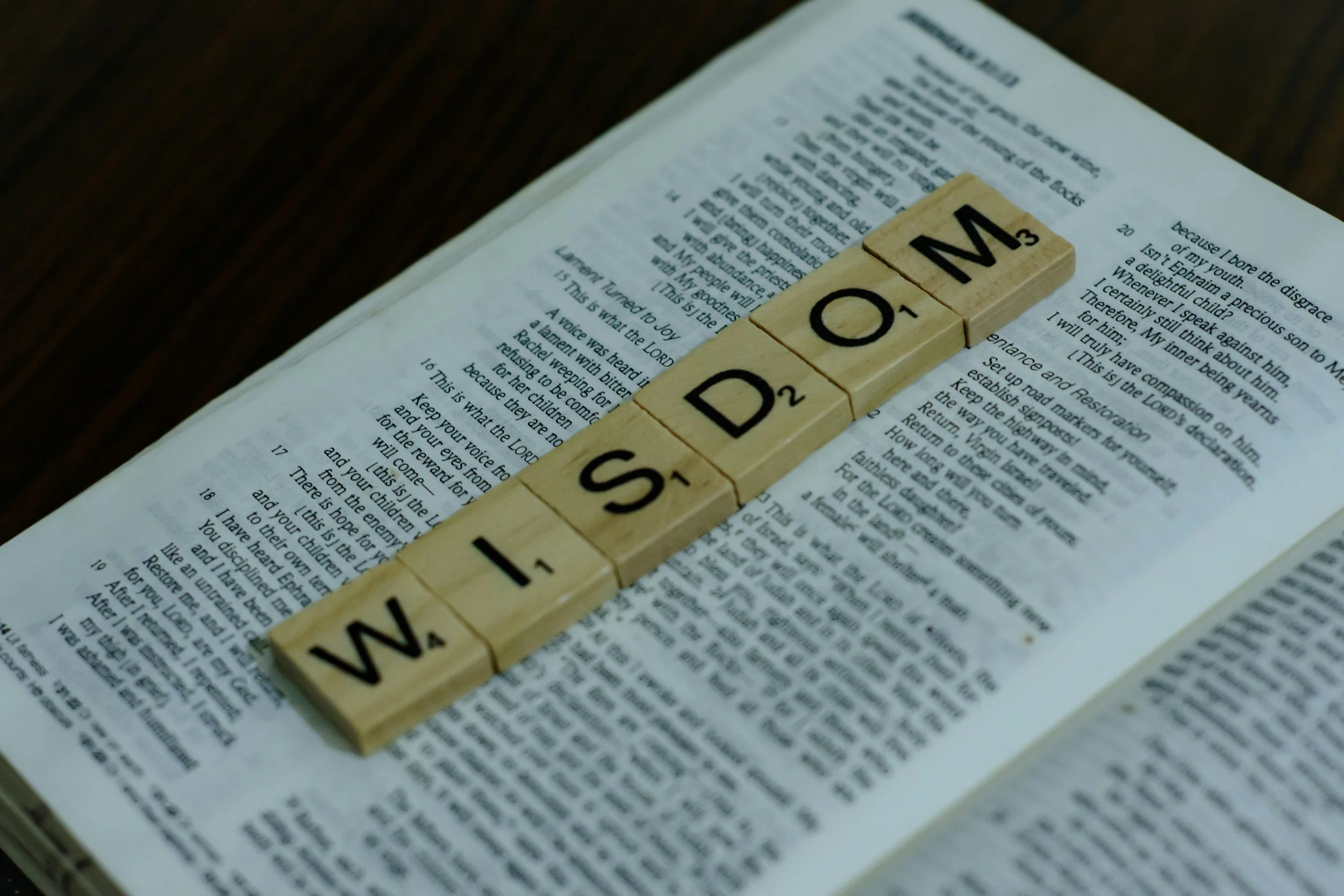
The Focused Virtue for this session is Wisdom.
Wisdom gives us the insight to know our own strengths, learn from our mistakes, and make smart decisions so we can handle life and workplace challenges with confidence.
Ask Yourself: "Can I grow in wisdom to understand my strengths and make good choices for my future?"
Think with clarity, act with purpose.
Skills Development:
Starting a new journey towards your future career is an exciting step. True wisdom helps you know yourself, understand your skills, and build real confidence.
To find the right path for your life and work, it helps to know your own strengths. Think about what you do well, what you enjoy doing, and your good habits. Ask friends, teachers, or family for their honest thoughts. They often see brilliant qualities in you that you might miss yourself.
Thinking about future jobs or life choices can bring strong feelings. You might feel nervous before an interview or upset when an exam or project does not work out. Wisdom means noticing these feelings without letting them stop you. If you feel worried, take a deep breath, prepare carefully, and ask for help.
Doing well does not mean being perfect from the start. It means making steady progress, learning new things every day, and growing step by step. By knowing your personal strengths and being ready to learn, you can become a brilliant addition to any team or community.
Case Studies and Questions
"Can you tell me about a time when you made a mistake at school or in daily life? How did you work out what went wrong, and what did you learn from it?"
"How do you decide what you need to do if you are given a new task that you haven't done before?"
Case Study
You are applying for a weekend job or work placement at a local shop. The advert asks for someone who is reliable, good with people, and able to work as part of a team. When you look at the application form, you start to feel nervous. You haven't worked in a shop before, and you worry that you don't have enough experience. However, you have spent time organising family events, helping neighbours, and managing your own schedule.
How can you turn your everyday life experiences into clear strengths for this application?

Guidance and Resources for Facilitators
Core Concepts & Background Information
Identifying Strengths (Beyond School & Grades) Individual strengths extend far beyond academic marks or formal qualifications. Help young learners explore these six distinct categories:
Skills: Practical abilities developed over time through hobbies, sports, or creative projects (e.g., listening, organising, drawing, video editing).
Knowledge: Understanding gained through school topics, personal interests, media, or family life.
Experiences: Past situations—such as moving schools, making new friends, or handling group projects—that build resilience and practical expertise.
Relationships: Supportive friendships, family connections, and mentors that encourage personal growth.
Positive Behaviours: Everyday habits and character virtues (e.g., patience, loyalty, kindness, punctuality).
Positive Attitudes: Constructive mindsets that help girls navigate social and academic challenges.
Developing Self-Awareness in Early Adolescence Self-awareness means accurately recognising both personal strengths and areas to grow. In school and social environments, 13-year-olds draw on five core areas:
Knowledge: Understanding subject material or project steps builds confidence, whereas gaps lead to hesitation.
Relationships: Building healthy friendships creates smooth teamwork, whereas peer friction causes distraction.
Character Strengths: Qualities like honesty, patience, and fairness build trust with peers and teachers.
Essential Skills: Core transferable abilities (like communication or creative problem-solving) that make group tasks manageable.
Experience: Using lessons from past challenges (like a tricky presentation or sports match) to navigate new ones calmly.
Understanding Emotional Reactions An emotional reaction is a rapid, natural response accompanied by physical signs (e.g., fast heartbeat, butterflies in the stomach, smiling) and matching thoughts. Teach girls to treat emotions as helpful information:
Emotions Reveal Values: Strong feelings show that something (like a friendship or project outcome) matters deeply.
Emotions Highlight Hidden Beliefs: Feeling doubt before a presentation signals a need for more preparation or support, not lack of ability.
Emotions Act as a Guide: Feeling uneasy in a social or group situation indicates a need to pause, reflect, and ask a trusted teacher or adult for advice.
Redefining "Doing Well" Doing well does not mean being perfect, getting 100% on every test, or comparing yourself to others; it means making steady personal progress.
Internal Signs: Feelings of personal satisfaction, growing confidence, motivation, and enjoyment.
External Signs: Receiving positive encouragement, hitting personal goals, and taking on new responsibilities in school clubs or teams. (Note: Remind learners that how people offer praise varies across different home and cultural environments).
Guiding Reflection & Overcoming Barriers
Overcoming the "I'm Not Good at Anything" Barrier
Reframing Strategy: Expand the definition of talent beyond academic grades or sports trophies. Organising a group chat, supporting a friend through a tough day, or pursuing a niche creative hobby all build vital real-world capabilities.
Prompting Reflection:
"Think of a time you helped a friend or sibling figure out a problem. What steps did you take?"
"What is an activity at school, home, or in a club that people often ask you to help them with?"
Managing Anxiety and Social Comparison
Reframing Strategy: Frame anxiety through the lens of wisdom. Nerves are simply the body's natural response to trying something new and important—it is not a sign that you aren't capable.
Prompting Reflection:
"When you feel nervous before speaking up in class or trying a new sport, what is one small thing that helps you feel grounded?"
"If a friend felt upset after making a mistake in class, what kind words would you say to her? How can you say those same words to yourself?"
Overcoming Modesty and the Fear of "Bragging"
Reframing Strategy: Use third-party peer feedback to make identifying strengths feel natural and safe. Stating what others appreciate about you is factual, not boastful.
Activity Idea (Strength Exchange): Pair learners up. Have Partner A share a 2-minute story about a challenge she managed (e.g., planning a party or learning a hard dance routine). Partner B must identify two clear strengths shown in the story (e.g., focus, creativity).
Delivery Tips for the Session
Keep Vocabulary Concrete: Translate abstract terms like self-awareness into simple language: "noticing what you are good at and what you find tricky."
Normalize Imperfection: Emphasize that everyone—including older students and adults—has areas they are working to improve. Learning is a continuous journey.
Focus on Small Wins: Use simple visual checklists so girls can physically track their personal achievements over time.